Press
Texts and stills for “De Muur”. The Dutch version is on the perspagina.
Credits
- Artist
- De Uitvreter
- Composer
- Marinus Jacobus Hogerheijde
- Copyright in the music
- Marinus Jacobus Hogerheijde
- Video
- Marinus Jacobus Hogerheijde
- Copyright
- © Marinus Jacobus Hogerheijde
- Track
- “AfterB” (DJ Edit), 145 BPM, 8A (A minor), 6:12. Project: “De Muur” (“The Wall”).
One-liner
“De Muur” is techno at 145 BPM, with Reich’s Drumming technique, Bach’s “Erbarme dich” played on a self-built bass hurdy-gurdy, and two videos that deny, in fugue, the story the music tells.
Short text
“De Muur” (“The Wall”) is one project in three parts: a DJ edit at 145 BPM, and two videos that contradict the music’s story, against the grain and in fugue.
The edit of “AfterB” is built to be mixed. It uses no samples of other people’s recordings. Steve Reich’s Drumming technique is reconstructed. In the drop, the line “haar muur bleef staan” (“her wall remained standing”) is phased, using the composer’s own voice. Over the groove, the Zwoerg, his self-built bass hurdy-gurdy, plays Bach’s “Erbarme dich”.
Someone says “no,” as softly as a stone. There is a pulling. The wall seems to break, and still it stands. The picture does the opposite. Where the music builds, the image comes apart. At “no,” the silence bursts open; at “the wall broke,” the grid stands rigid; at “remained standing,” it falls to dust, and the drop freezes that fall.
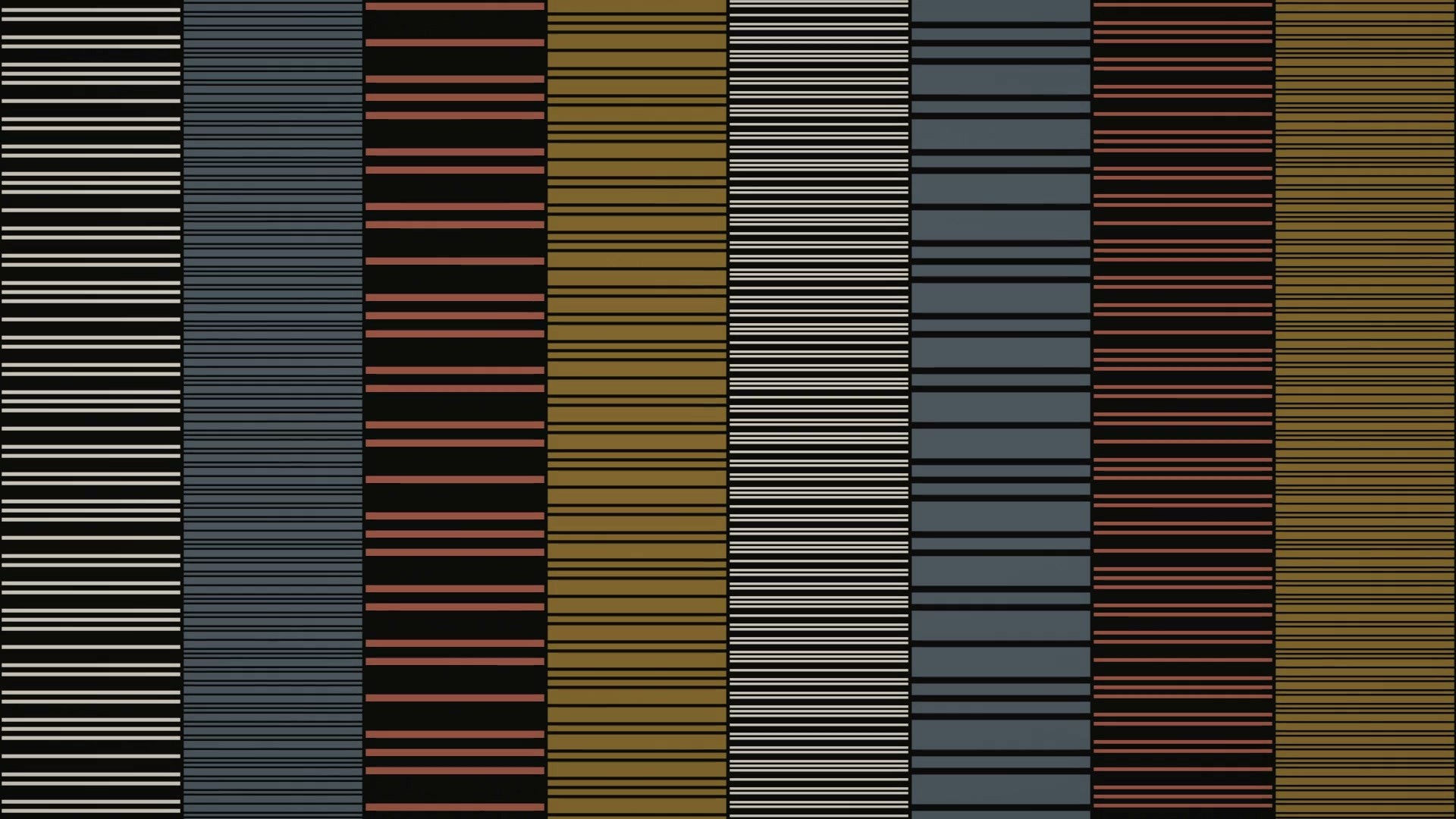
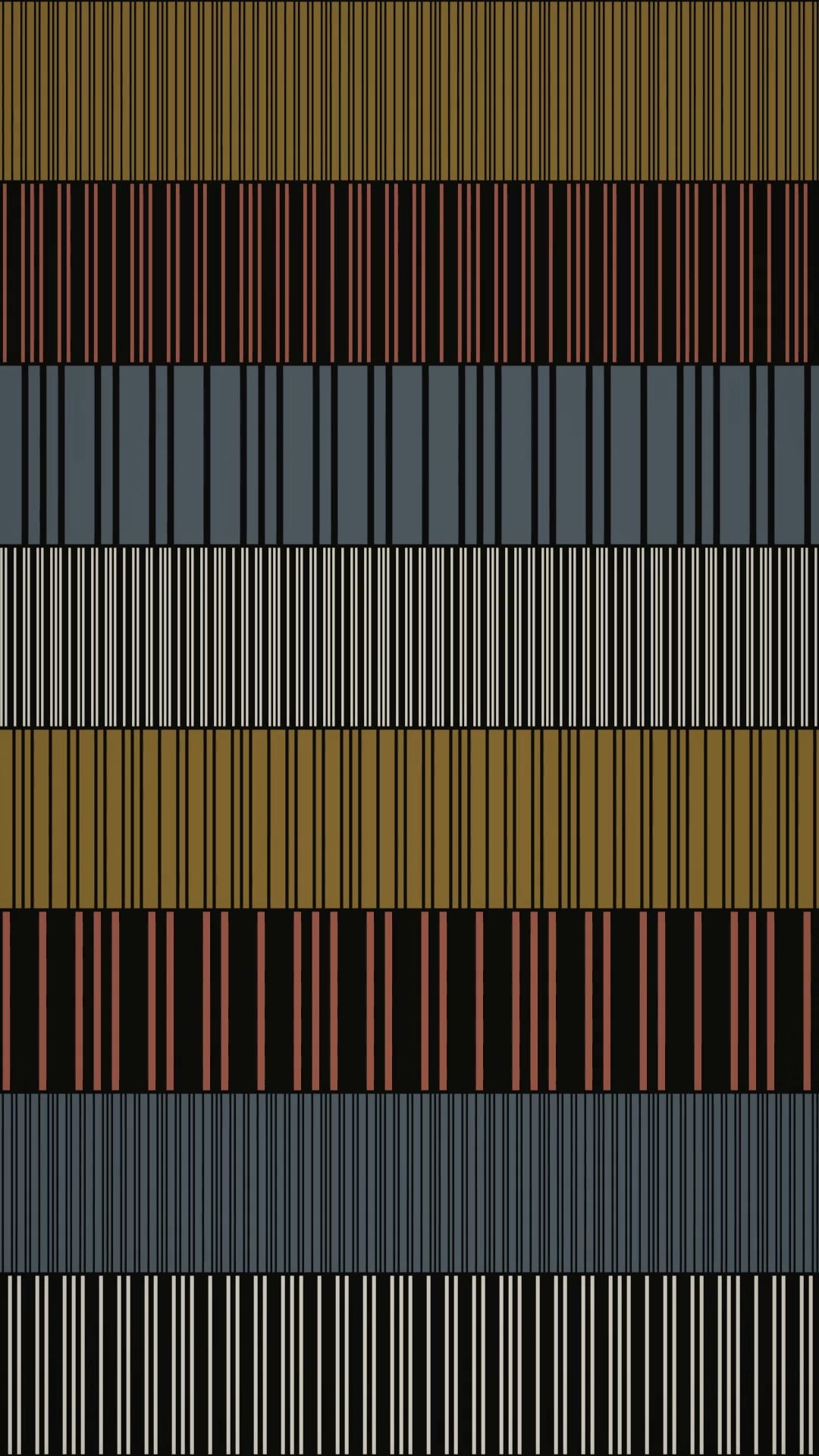
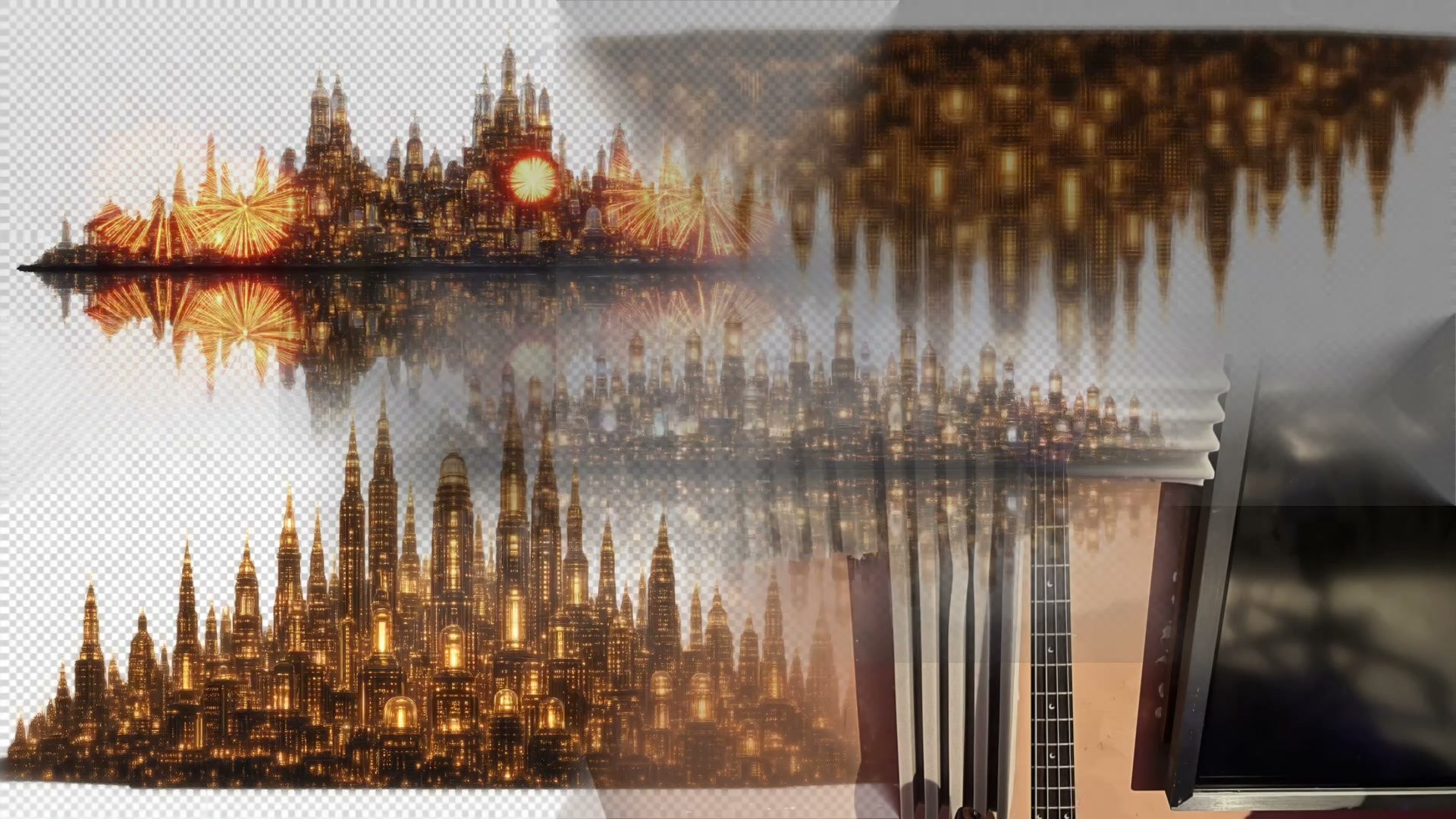
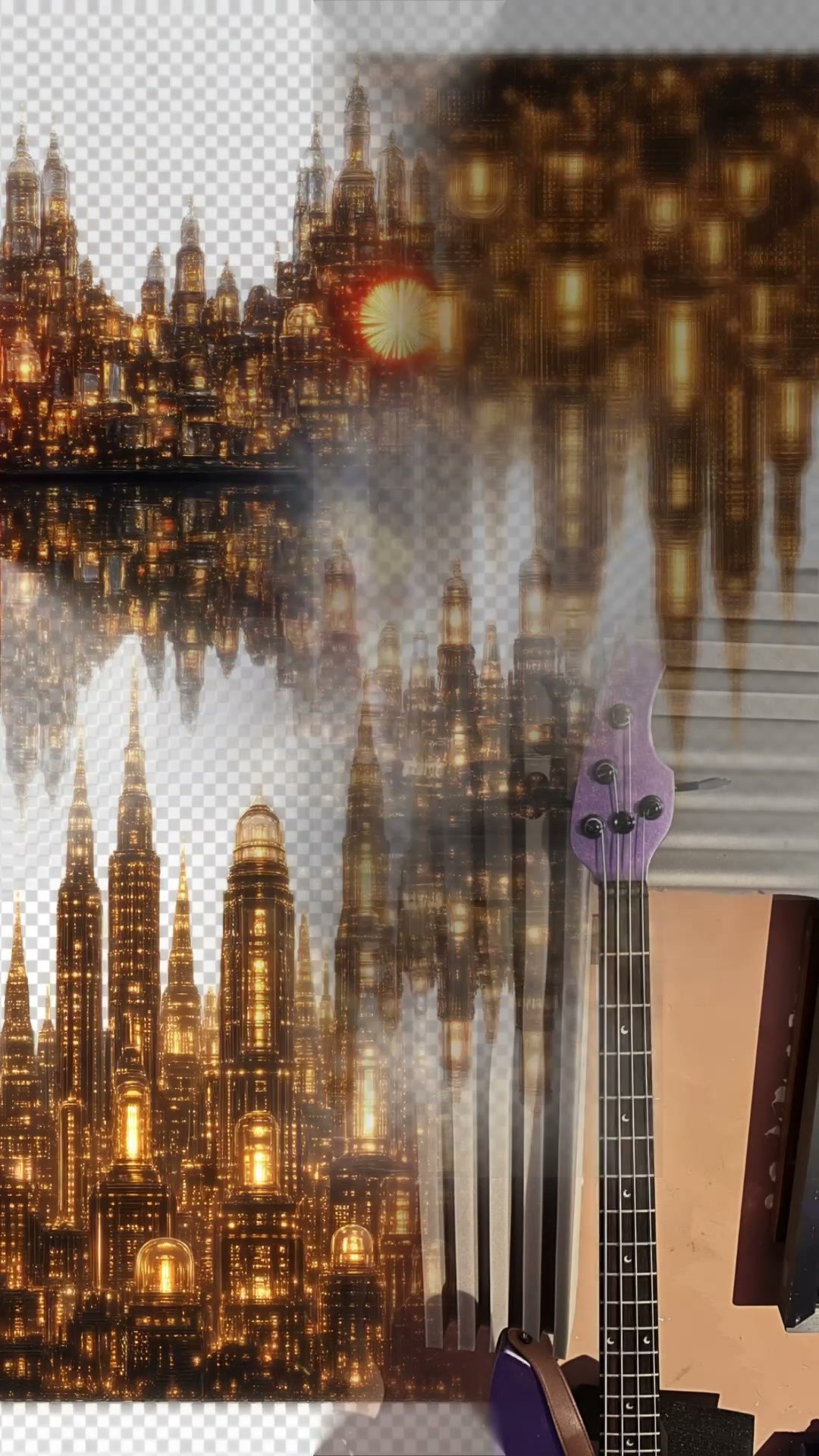
Two picture versions, each in landscape and in portrait: a fugue made from the composer’s own footage, and a lattice of lines grown entirely from the music, with no camera.
Long text
“De Muur” (“The Wall”) is not a video for a track. It is one project in three parts: a techno edit for DJs, and two videos that deliberately deny what the music tells.
The music is a DJ edit of “AfterB”, at 145 BPM, in A minor (8A), six minutes and twelve seconds long, on a grid of 224 bars, with cue points at the section boundaries. The composer of the edit is Marinus Jacobus Hogerheijde. The work is free of samples and of third-party recording rights. The voice is his own. Steve Reich’s techniques are reconstructed, not sampled. Bach’s “Erbarme dich, mein Gott” is in the public domain, and is played here on the Zwoerg, a bass hurdy-gurdy he built himself; the melody runs at half speed under the groove.
From bar 65, Reich’s Drumming enters as twelve triplet eighths in every 4/4 bar: first a single stroke, then beat construction, later a second voice that drifts out of phase. Resulting patterns appear in marimba and glockenspiel. In the main drop, the line “haar muur bleef staan” (“her wall remained standing”) is itself phased, in the spirit of Reich’s “Come Out”.
The text describes a boundary. “I am a stone in her wall. And she said, no, very softly.” Someone pulls. “You pulled and her wall broke. […] You let go and her wall remained standing.” The last sentence affirms the wall; the music multiplies that sentence as a Reich process.
The picture takes the other side. It is written as a fugue — dux, inversion, retrograde, retrograde inversion, stretto — but the fugue runs backwards. Where the music builds an exposition, the image dismantles one. Every picture change sits deliberately off the beat. When she says “no,” the image is at its most crowded, or it bursts into hundreds of lines. At “the wall broke,” the grid is still. At “remained standing,” it falls to dust. The drop, the loudest part, freezes that dust in mid-fall. Only in the outro does the image build an exposition, ending in stretto.
This happens in two readings: a fugue from the composer’s own footage, and a pure lattice of lines, with no camera — horizontally as a timeline, vertically as a tower. Both exist in landscape and in portrait.
“De Muur” is therefore both a tool for the dance floor and an audiovisual work: the same six minutes, two circuits, one contrary voice.
Bio
Marinus Jacobus Hogerheijde is a composer and maker. He releases his work under the name De Uitvreter. He also builds his own instruments; the Zwoerg is a bass hurdy-gurdy.